Hey, you know, in the fast-moving world of energy today, the Industrial Gas Generator is really making a big splash for a lot of different industries. I was chatting with John Smith, who's pretty much an energy systems guru at Global Power Solutions, and he mentioned that, honestly, picking the right generator can make a huge difference when it comes to running things smoothly and efficiently. It’s clear that more folks are looking for dependable energy sources that not only cut down on carbon emissions but also boost productivity.
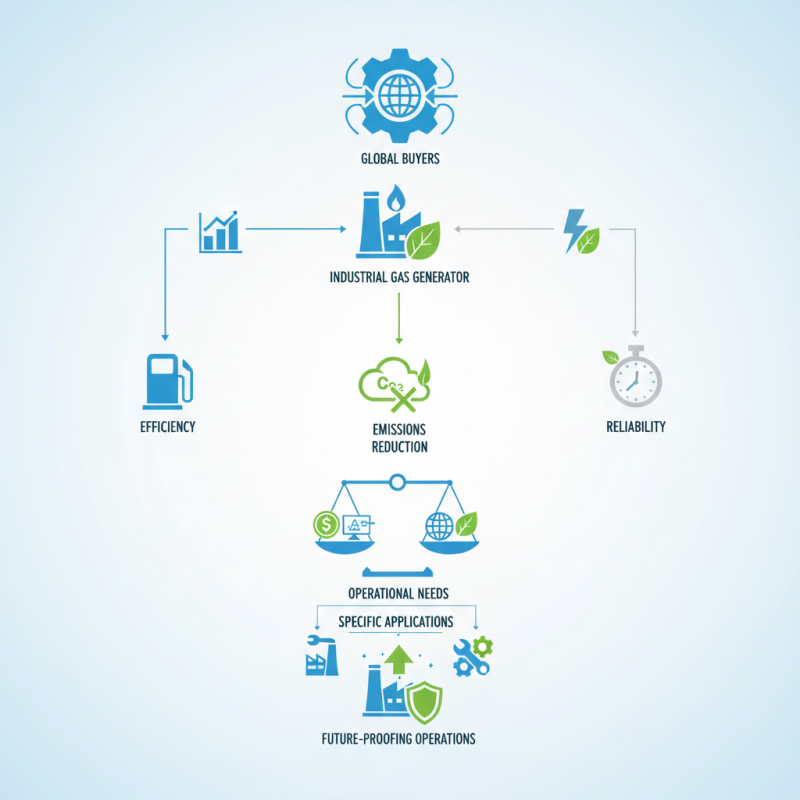
The game is changing in the world of Industrial Gas Generators. These days, everything’s about being more efficient, cutting emissions, and being reliable. But with so many options out there, figuring out which model fits best can be pretty overwhelming. Each one has its pros and cons—like maybe one promises great fuel savings but isn’t so steady in voltage.
Figuring it all out isn’t just about checking specs on paper. It’s about thinking long-term—how well it performs, how sustainable it is for the future. You also gotta consider what you’re actually using it for and what your specific needs are. The right generator can really help boost energy efficiency and even do good for the environment. At the end of the day, it’s not just about saving money now; it’s about making sure your operations stay on track in a world that’s now more focused on sustainability than ever before.
Overview of Industrial Gas Generators and Their Applications
Industrial gas generators play a vital role in powering various sectors. These generators provide an efficient energy solution, particularly in remote areas. Often fueled by natural gas, they emit fewer pollutants compared to traditional diesel options. Users appreciate this cleaner energy source for its reduced environmental impact.
Industries utilize these generators for purposes ranging from backup power to continuous electricity supply. Manufacturing plants, hospitals, and data centers often rely on Industrial Natural Gas Generators to ensure operational stability. The reliability of these systems in critical situations is noteworthy. However, their initial investment might challenge smaller companies.
Maintenance is another consideration. Regular servicing enhances generator longevity. It is essential to address any issues promptly to avoid unexpected downtimes. The balance between cost and performance can lead to reflections on long-term benefits. Investing in an efficient generator can ultimately save on fuel costs and reduce carbon footprints.
2026 Best Industrial Gas Generator for Global Buyers
| Model | Power Output (kW) | Fuel Type | Emission Standards | Key Applications |
| IGG-1500 | 1500 | Natural Gas | EPA Tier 4 | Manufacturing, Construction |
| IGG-2000 | 2000 | Biogas | EU Stage V | Wastewater Treatment, Agriculture |
| IGG-3000 | 3000 | Propane | CARB Compliant | Mining, Oil & Gas |
| IGG-4000 | 4000 | Natural Gas | ISO 8528 | Data Centers, Emergency Backup |
Key Features to Consider When Choosing a Gas Generator
When selecting an industrial gas generator, several key features demand attention. Efficiency is crucial; generators with higher thermal efficiency can lead to reduced operational costs. According to a recent report by Global Industry Analysts, the demand for energy-efficient solutions is driving innovations in Industrial Gas Engines. These advancements translate to reduced fuel consumption and lower carbon emissions.
Another important feature is fuel flexibility. Many modern generators can operate on various gases, including natural gas and biogas. This versatility allows businesses to align with regional energy policies and sustainability goals. Such capabilities are becoming more common, as found in market studies indicating a 15% increase in sales for adaptable gas engines over traditional models.
Consider also the generator's reliability. Unplanned downtime can affect productivity significantly. Advanced diagnostics and maintenance alerts are features that enhance reliability. Regular performance monitoring can help identify potential issues early.
Tips: Always evaluate your specific energy requirements. Assess factors like load demand and backup needs. Future scalability should also influence your choice. Choose a generator that can grow with your business.
Top Brands in the Industrial Gas Generator Market
The industrial gas generator market is evolving rapidly. As global energy demands increase, the need for efficient power solutions grows. By 2026, it's projected that the market will expand significantly, driven by technological advancements and sustainability goals. According to industry reports, the market value for industrial gas generators is expected to reach USD 5 billion by 2026.
Leading brands dominate this market, emphasizing reliability and efficiency. These brands are increasingly investing in R&D to meet stringent emission regulations. Technologies like dual fuel capabilities and advanced control systems are making these generators more attractive for users. Recent data shows that 70% of companies prioritize fuel efficiency when selecting a generator. However, not all brands meet these expectations, leading to potential buyer dissatisfaction.
Consumer feedback indicates a desire for better customer service from manufacturers. Some users report long response times for maintenance and support. Reports suggest that companies must improve their service practices. This gap in customer experience could hinder brand loyalty. As the market evolves, those brands that adapt to both performance and customer needs will likely lead the industry forward.
Comparative Analysis of 2026 Gas Generators: Performance and Efficiency
The 2026 comparative analysis of industrial gas generators highlights significant advancements in performance and efficiency. Recent data indicates that the latest models exhibit up to 15% improved fuel efficiency compared to those from 2023. This enhancement translates to lower operational costs and a smaller environmental footprint. Notably, the shift towards advanced materials in Industrial Generator Parts has played a crucial role in this progress.
However, there are lingering concerns regarding maintenance and long-term reliability. Users report that while new technologies enhance efficiency, they may also result in more complex systems. This complexity can lead to increased downtime if not properly managed. Additionally, while some models boast high performance ratings, they may require specific Industrial Generator Parts that could be harder to source.
Evaluating the performance of these generators is not just about numbers. Real-world testing often uncovers discrepancies between manufacturer claims and actual output. For instance, generators promising low emissions may still struggle under heavy loads, impacting efficiency. Buyers should consider these factors carefully to make informed choices when selecting equipment for their industrial needs.
Cost Factors for Industrial Gas Generators: What Buyers Should Know
When considering industrial gas generators, understanding cost factors is crucial. These generators can vary significantly in price based on several elements. For instance, initial purchase costs often include not just the generator itself but also installation expenses, which can affect overall budgeting. Buyers should expect installation to require skilled labor, and prices can fluctuate greatly depending on regional labor rates.
Maintenance is another key cost factor. Regular servicing is essential to ensure optimal performance. The frequency and depth of this maintenance can impact long-term expenses. Buyers often overlook these costs, thinking of the generator in terms of upfront pricing alone. Furthermore, fuel type can influence costs, as different gases present varying price points and availability.
Another critical element is efficiency. Generators that operate efficiently tend to have higher initial costs but save money over time. This aspect can be especially tricky; some models may claim high efficiency but do not deliver as expected. Buyers must research and evaluate real-world performance data. Understanding these factors can help buyers make informed decisions, leading to a more sustainable investment.
Maintenance Tips for Long-lasting Industrial Gas Generators
Maintenance is crucial for ensuring the longevity of industrial gas generators. Regular checks on the fuel system are essential. Clean fuel filters help prevent clogs and ensure efficient operation. Monitor fuel quality to avoid damaging the engine. Dirty fuel can cause many issues, including reduced power output.
Air filters also require attention. A clean air filter promotes better combustion and efficiency. Regularly replacing or cleaning them can save money in the long run. Ignoring this could lead to decreased performance.
It’s important to inspect electrical connections regularly. Loose or corroded connections can cause failures. Take time to check the battery and wiring. A simple visual inspection can reveal many signs of trouble. Finally, incorporate a schedule for professional servicing. Experts can spot issues that go unnoticed. Ignoring maintenance can lead to unexpected costs and downtime.
2026 Best Industrial Gas Generators Performance Comparison
Future Trends in Industrial Gas Generator Technology for Global Markets
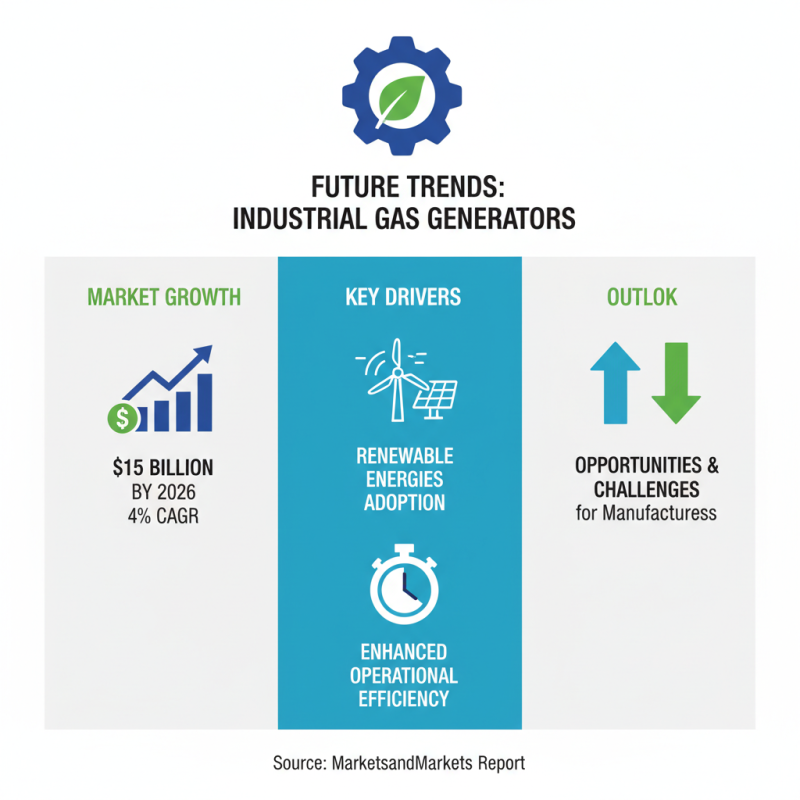
The global industrial gas generator market is evolving rapidly. Future trends indicate a surge in the adoption of renewable energies, enhancing operational efficiency. According to a recent report by MarketsandMarkets, the industrial gas generator segment is expected to reach $15 billion by 2026, reflecting a CAGR of over 4%. This shift presents opportunities and challenges for manufacturers.
A notable trend is the integration of advanced control systems. These systems improve emissions compliance. They also enhance overall efficiency. However, there are concerns regarding the transition from traditional technologies. Many existing generators may need significant upgrades. Further, the compatibility with Industrial Spark Plugs is critical. These components must function effectively within new systems. Failure to address these issues can hinder upgrades.
The demand for lower emissions is driving innovation. Companies are investing in hybrid solutions that combine diesel and natural gas. This trend aims to balance environmental responsibility with cost efficiency. However, the initial investment may deter some buyers. The learning curve associated with newer technologies also poses a challenge. Maintaining reliability while incorporating new features requires careful planning. The need for training and adaptation cannot be overlooked.
FAQS
: Efficiency is key. Higher thermal efficiency reduces operational costs and fuel consumption.
Fuel flexibility allows generators to run on various gases, aligning with sustainability goals.
Look for advanced diagnostics and maintenance alerts to identify issues early.
Evaluate your energy requirements, load demand, and future scalability.
The market is growing due to the need for efficient power solutions and technological advancements.
Many users complain about slow response times for maintenance and support.
Regular checks can prevent issues, ensure efficient operation, and extend generator life.
Dirty fuel can reduce power output and cause engine damage.
Regular checks and replacements save money and maintain combustion efficiency.
Loose or corroded connections can lead to failures and unexpected downtime.
Conclusion
The article titled "2026 Best Industrial Gas Generator for Global Buyers?" provides a comprehensive overview of industrial gas generators, emphasizing their diverse applications across various industries. It highlights the key features that buyers should consider, such as performance, efficiency, and maintenance requirements, ensuring they select a generator that meets their specific needs.
Additionally, the article presents a comparative analysis of the leading gas generators available in 2026, focusing on their performance and efficiency metrics. Cost factors are examined to guide buyers in making informed financial decisions. Furthermore, maintenance tips are provided to prolong the lifespan of industrial gas generators, and the article concludes with insights into future trends in technology that could shape the market. Overall, this summary underscores the importance of understanding these critical elements when investing in an industrial gas generator for global applications.