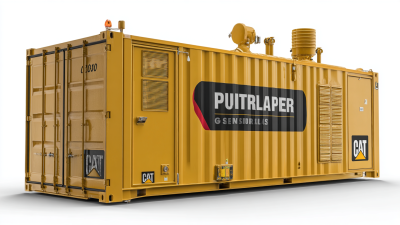
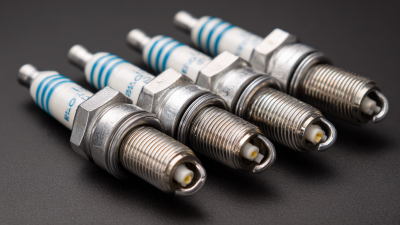
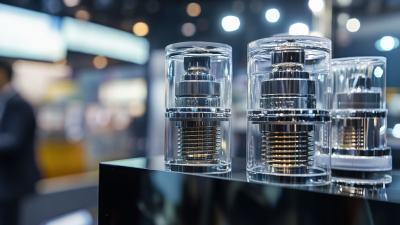
In today’s fast-changing business world, picking the right Genset Generator is pretty important if you want things to run smoothly and reliably. From what industry reports are showing, the global generator market is on track to hit around USD 26.87 billion by 2028. There's especially a big push for gas-powered generators these days—mainly because they tend to be cheaper to run and emit fewer pollutants. For companies like TECHIE Inc., which focus on ignition systems for stationary gas engines, it’s all about understanding the specific needs of different businesses. They cover over 95% of major brands like GE Jenbacher, MWM, and CAT, offering not just top-notch ignition systems but also a full range of gas engine spare parts all in one place. Making the right choice when it comes to a Genset Generator can really make a difference in how well it performs, how much you save, and how sustainable it is in the long run. So, it’s super important for businesses to do their homework and pick a solution that fits their particular operational needs.
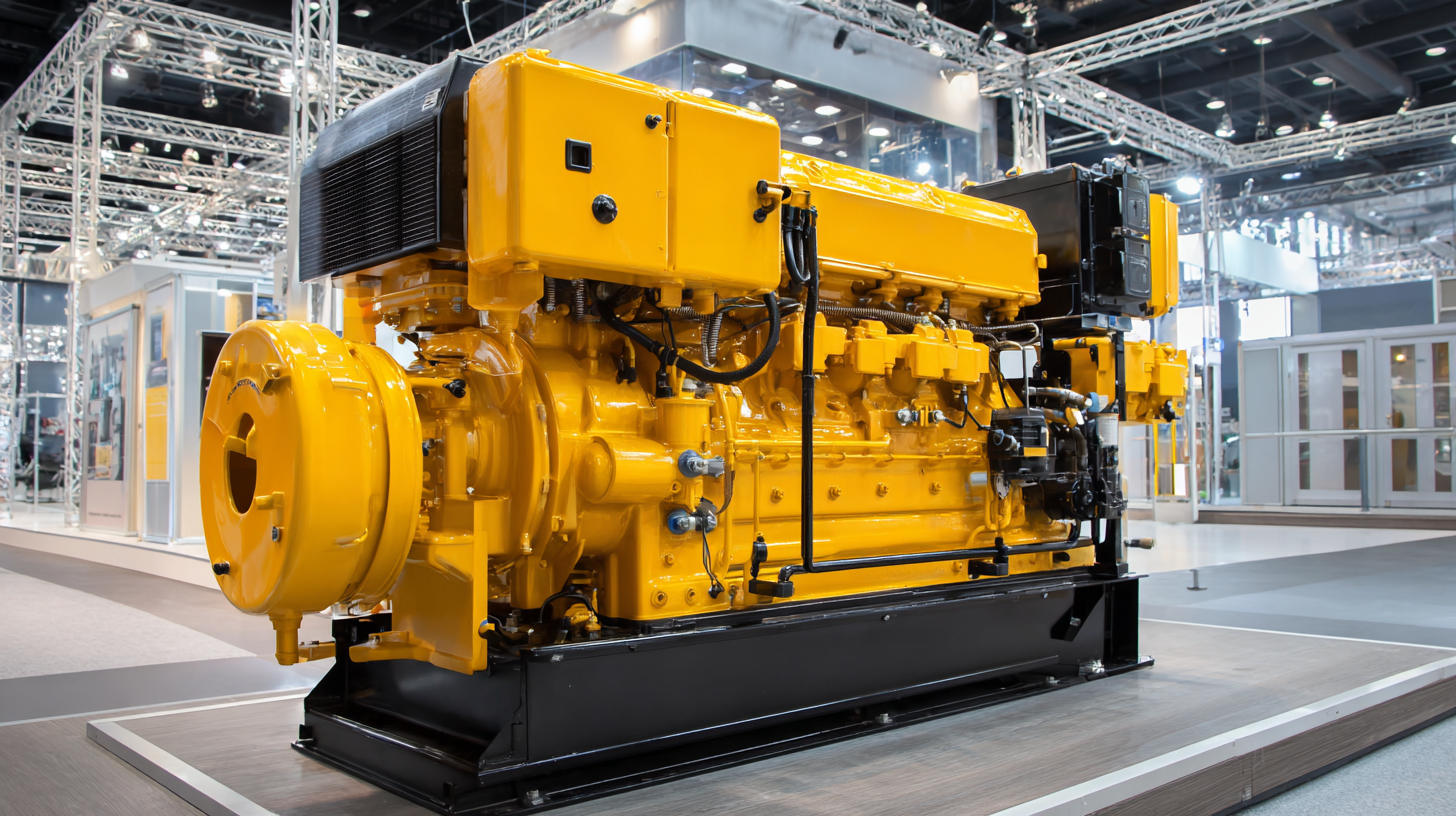
Understanding Your Power Requirements for Genset Generators
When you're trying to pick the right genset for your business, the first thing you really wanna do is get a good handle on your power needs. Every business is a little different, and your energy requirements can change depending on what you're doing, the equipment you're using, and those busy times when everyone’s running around. It’s super important to total up all the electrical stuff—machines, tools, everything—that you'll be powering with the generator. Don’t forget to include those extra gadgets you might bust out during your peak hours, either.
Besides just adding up wattage, think about what kind of power you actually need—single-phase or three-phase—and how long you might need backup power in a pinch. And oh, don’t overlook your environment. Things like where you’re located, the weather, and how easy it is to get to your generator can really make a difference in how well it performs and stays reliable. By keeping these things in mind, you'll be way better at picking a genset that not only covers your current needs but can also handle what you might need down the line as your business grows. It’s all about planning ahead and making sure you’re covered when the lights go out—or when the workload ramps up.
Power Requirements for Genset Generators
This chart displays the estimated power requirements for different types of business operations, helping you understand what genset generator capacity may be needed based on your specific needs.
Types of Genset Generators: Choosing the Right One for Your Business
So, when you're trying to pick out a genset generator for your business, it’s really helpful to understand the different types out there. You’ve got your main options: diesel, gas, and portable generators. Diesel ones are known for being super tough and efficient, which is why they’re often the go-to for heavy-duty stuff like construction sites or manufacturing plants. Plus, they tend to use fuel pretty sparingly and last a long time, so they can save you some cash in the long run — definitely a perk if you’re watching your budget.
On the flip side, gas generators are usually quieter and produce fewer emissions. That makes them a smart pick if your business is in a more residential or busy city area. They’re also easier to keep up with, so if you’re running a small or medium-sized business and just need reliable backup power without all the noise and pollution, these are worth considering. And don’t forget about portable generators—they’re super handy and flexible, perfect if your power needs are on the move.
Getting a good handle on these differences really helps you choose the right one for your specific needs and environmental concerns. At the end of the day, it’s all about making sure your business stays powered up and running smoothly.
Key Features to Consider When Selecting a Genset Generator
When you're choosing a genset for your business, it’s really important to keep some key features in mind to make sure you get a reliable power supply that actually meets your operational needs. One of the main things to look at is the generator’s capacity, usually measured in kilowatts (kW). I came across a report from TechSci Research that said the global generator market is expected to grow at a compound annual growth rate of about 6.56%—which basically means more and more companies are on the lookout for solid power solutions. So, understanding exactly how much power your business needs is super important—your genset needs to handle those peak loads without breaking a sweat, all while working efficiently.
Another big factor to consider is the type of fuel it uses, because that can really impact your running costs. Diesel generators are pretty popular since they’re tough and quite fuel-efficient. But with more companies trying to go green, manufacturers are now turning out alternative options like natural gas and hybrid models. A report from the International Energy Agency mentions that the adoption of eco-friendly tech in power generation has gone up by 20% over the past five years. That’s a clear sign you might want to think about aligning your energy choices with your company’s environmental goals. Oh, and don’t forget about noise levels and making sure your genset follows local rules—these little things can make a big difference in keeping your business running smoothly without disturbing the neighborhood or breaking any rules.
How to Choose the Right Genset Generator for Your Business Needs - Key Features to Consider When Selecting a Genset Generator
| Feature | Description | Importance Level |
| Power Output | The total wattage the generator can provide. | High |
| Fuel Type | Diesel, natural gas, or gasoline options available. | Medium |
| Portability | Ease of movement and installation. | Medium |
| Noise Level | Sound output measured in decibels. | High |
| Runtime | Duration the generator can run on a full tank. | High |
| Control Options | Manual vs. automatic start/stop controls. | Medium |
Assessing Fuel Options: Diesel vs. Gas for Your Genset
When you're picking out a generator for your business, one of the big things to think about is the fuel type. You’ve mainly got two options: diesel and gas, and each comes with its own set of pros and cons. Diesel generators are pretty much the workhorses—they’re known for their toughness and long-lasting performance. If you need something that can handle heavy loads and run for a long time without needing to stop for refueling, diesel’s usually your go-to. That’s why a lot of industries lean on diesel during emergencies or when they’re working out in remote areas where reliable power is a must.
On the flip side, gas generators are a bit friendlier to the environment—they burn cleaner, which means lower emissions and that lighter carbon footprint we all kinda want these days. Natural gas tends to be easier to find and might end up saving you some cash in the long run. Plus, gas-powered units are generally quieter, making them a better option if you’re working close to homes or places where noise could be a problem.
At the end of the day, choosing between diesel and gas really depends on what your business specifically needs, what resources you have, and how much you care about the environment. Both options have their perks, and understanding what works best for you is key to making a smart choice.
Maintenance and Support: Ensuring Longevity of Your Generator
When you're investing in a genset for your business, keeping up with maintenance and support really makes all the difference in keeping it running smoothly and lasting longer. It's a good idea to set up a regular maintenance routine—think checks on oil levels, filters, and the battery now and then. Sometimes, hiring a professional service guy or team can be a real lifesaver—they can spot potential problems early on before they turn into costly surprises. Trust me, that proactive approach not only helps your generator perform better but also helps it live a longer, happier life. Plus, when you really stay on top of things, it’s ready to go whenever you need it most.
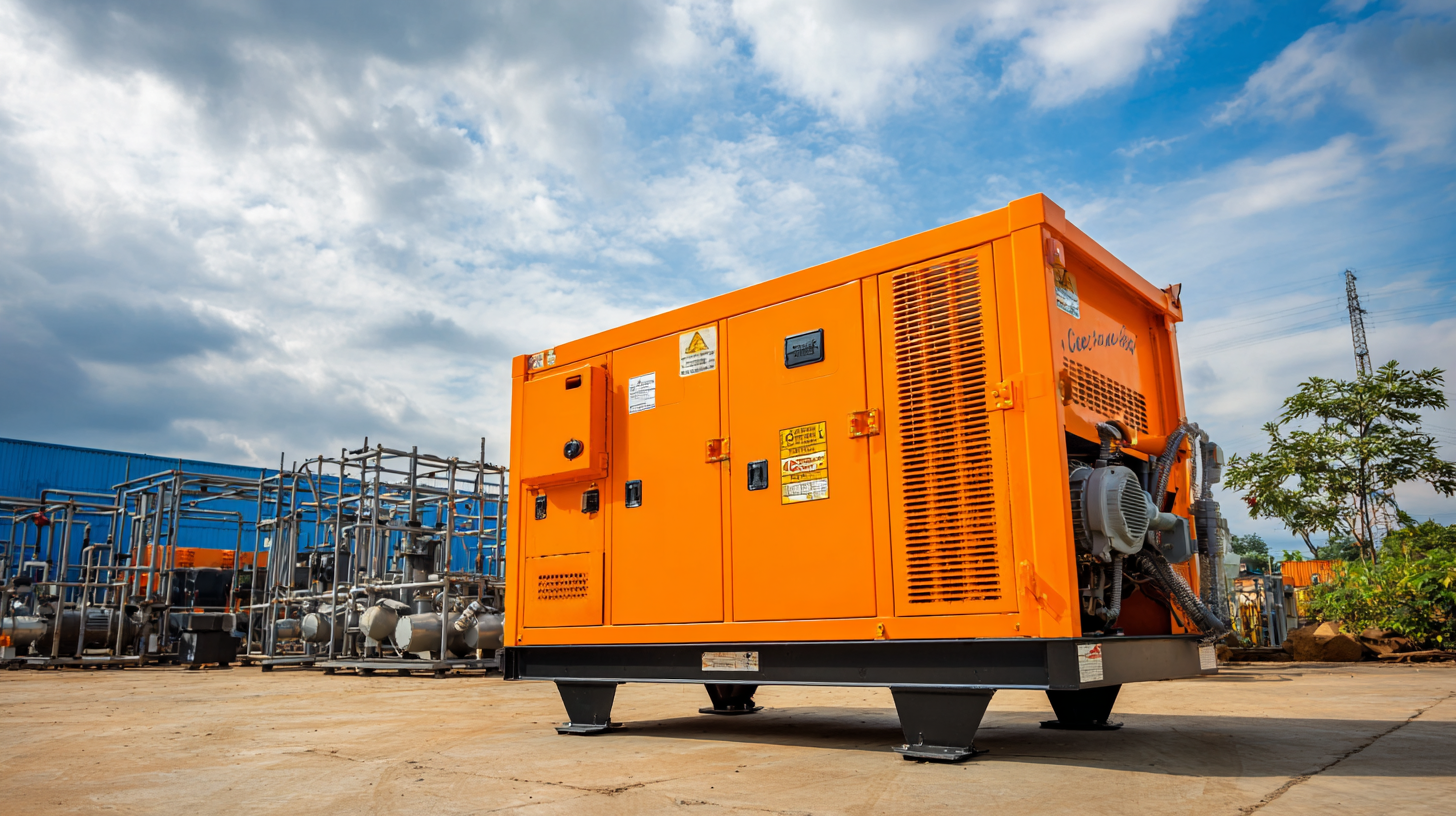
And don’t forget, having solid support in place is just as important. That means quick access to technical help and spare parts that you might need down the road. It’s worth checking if the manufacturer or your service provider offers support plans that include emergency visits and maybe some training for your team. When support is in place, you get peace of mind, and your business can keep running smoothly—even if the power decides to go out unexpectedly. All in all, putting effort into maintenance and reliable support means your genset becomes a dependable workhorse for your business for years to come.
Cost Analysis: Budgeting for Your Genset Generator Investment
When you're figuring out your budget for a generator, it’s really important to think beyond just the initial price tag. You know, those ongoing costs can add up pretty quickly. According to a report by the International Energy Agency, diesel generators can range anywhere from around $10,000 to $50,000—thing depends on how much power you need and what features you're after. Plus, don’t forget to factor in things like fuel, maintenance, and insurance costs so you're not caught off guard later on.
Here’s a little tip: start by figuring out your actual power needs. Think about the critical equipment you need to keep running and how many hours your generator will be operating. Doing this will give you a clearer picture of what size and type of generator makes sense for your situation—and it’ll help you avoid overspending.
Oh, and if you’re looking to save some cash down the line, go for models with higher efficiency ratings. Studies from the Generator Manufacturers Association suggest that more efficient generators can slash fuel costs by up to 15%. When you’re comparing different models, check out their energy use and how often they need maintenance.
Another thing to consider: splurging a little on a generator that has cool features like automatic load management or remote monitoring can seriously pay off. These features can make your life easier, reduce downtime, and give you more control—all adding up to better bang for your buck.
FAQS
: The first step is to thoroughly understand your power requirements, including the total load of all electrical devices and machinery to be powered by the generator.
You should assess the total wattage requirements of all devices, including standard equipment and any additional tools used during peak operations.
You may need either single-phase or three-phase electricity, depending on your business's requirements.
Factors such as location, climate, and accessibility can influence the performance and reliability of the generator.
The primary fuel options are diesel and gas, each with their own advantages and considerations.
Diesel generators offer robust performance, better fuel efficiency, and can run for extended periods under high loads, making them suitable for heavy-duty applications.
Gas generators provide a cleaner-burning alternative, lower emissions, cost-effectiveness, and quieter operation, which is ideal for noise-sensitive environments.
The choice depends on your specific business needs, available resources, and environmental considerations.
Yes, choosing a genset generator while considering future growth and power needs is essential for long-term reliability and performance.
The fuel type can affect operational costs, emissions, noise levels, and the overall efficiency and reliability of the generator, which are all crucial for sustainable business operations.
Conclusion
Picking out the right Genset generator for your business isn’t just about checking off features—it’s really about understanding what your power needs are. A good starting point is to look at the different types of generators out there and find one that ticks all your boxes for energy requirements. Things like how much power it can produce, how durable it is, and how easy it is to maintain should definitely influence your choice. Also, don’t forget to think about fuel options—whether it’s diesel or gas—as they can make a big difference in how much you spend and how smoothly things run.
At TECHIE Inc., we’re all about ignition systems for stationary gas engines. We offer a full range of solutions designed to suit various Genset applications. Our goal is to help you pick the right generator and keep it in good shape so it lasts longer. And last but not least, do a proper cost analysis. You want to make sure your investment fits your budget while giving you a reliable, cost-effective power solution for your business.
Basically, choosing the right Genset isn’t just about buying it—it’s about making sure it fits your needs and that you can keep it running without breaking the bank.