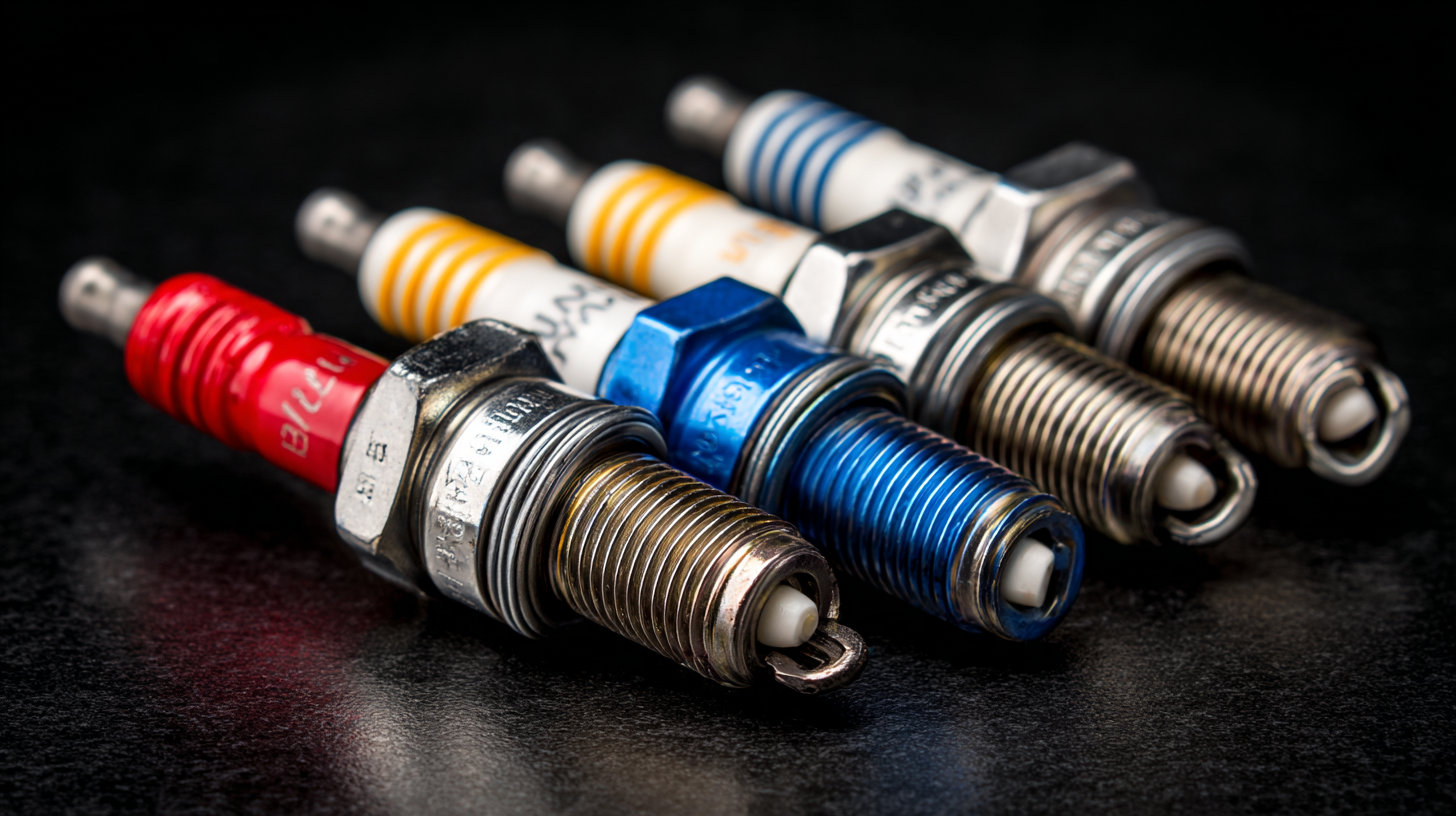
When it comes to keeping your machinery running smoothly and reliably, choosing the right Industrial Spark Plugs is a pretty big deal. Here at TECHIE Inc., we’re proud to be a leading name in ignition systems for stationary gas engines. We get that each application and engine type—like GE Jenbacher, MWM, or CAT—has its own quirks and needs. That's why we’re dedicated to offering a wide variety of ignition systems, covering over 95% of different gas engines out there. Basically, we want to make sure you can find the perfect spark plugs that fit your specific setup. In this blog, I’ll walk you through the key things to keep in mind when picking out industrial spark plugs. Our goal? Helping you make smarter choices that boost your engine’s performance and last longer.
Understanding the Role of Industrial Spark Plugs in Machinery Performance
You know, industrial spark plugs might not be the first thing that comes to mind when thinking about machinery, but trust me, they’re pretty important. They really do make a difference in how well machines run across all kinds of industries. I read in the International Journal of Engineering Research and Applications that just using the right spark plug can boost engine performance by around 10%. That might not sound like a lot at first glance, but it actually means better fuel burning, fewer emissions, and your engine lasting longer. Picking the right spark plug, based on what your machinery needs, can really help squeeze out the best power and efficiency.
Getting a good grip on what these spark plugs need to do is pretty crucial if you want your machines to perform their best. For example, your spark plug should match the operating conditions—like temperature and pressure—of the equipment it's used in. A study from the Society of Automotive Engineers even points out that spark plugs with the right heat range can stop pre-ignition and misfiring, which boosts the overall reliability by about 15%. Plus, if you use plugs that are designed specifically for your fuel type, you’ll see improvements in energy use and maybe even cut down on maintenance costs. It’s pretty wild how much of a difference choosing the right spark plug can actually make, right?
Key Factors in Selecting Spark Plugs for Industrial Equipment and Engines
Picking out the right spark plugs for your industrial machinery isn’t something to take lightly — it really makes a difference in how well everything runs and how long your gear lasts. The first thing you wanna do is really understand what your engine or equipment actually needs. Different machines have their own quirks and conditions, which means you can’t just grab any spark plug. For instance, if you’re dealing with super hot environments, plugs made from iridium or platinum might be your best bet. But for regular everyday jobs, simple copper core plugs usually do the trick.
Another thing to keep in mind is the heat range of the spark plug. Using a plug that runs too hot can cause pre-ignition headaches, and if it’s too cold, you might end up with fouling issues — that’s basically the plug getting gummed up. So, it’s really important to match the heat range properly with what your engine needs. Don't forget to check the manufacturer’s specs on the heat ratings — that’s always a good idea.
Some tips? Always peek at the manufacturer’s recommendations, think about the environment your machine operates in, and consider what kind of performance you’re aiming for. And hey, don’t ignore regular maintenance — checking your spark plugs now and then can save you from bigger headaches down the line. Replace them when needed to keep everything running smoothly and efficiently. It’s all about giving your machinery that little extra attention to keep things ticking like clockwork.
Analyzing Heat Range and Performance Characteristics of Spark Plugs
When you're choosing industrial spark plugs, getting a good grip on the heat range is pretty important if you wanna keep things running smoothly. Basically, the heat range tells you how well the plug can get rid of heat from the combustion chamber. If the plug gets too hot, you’re risking pre-ignition or knocking — not great for your engine. On the flip side, if it's too cold, it might get fouled up with fuel deposits, which messes with performance. So, finding that sweet spot based on what your machinery actually does day-to-day is key for making sure everything runs efficiently and lasts longer.
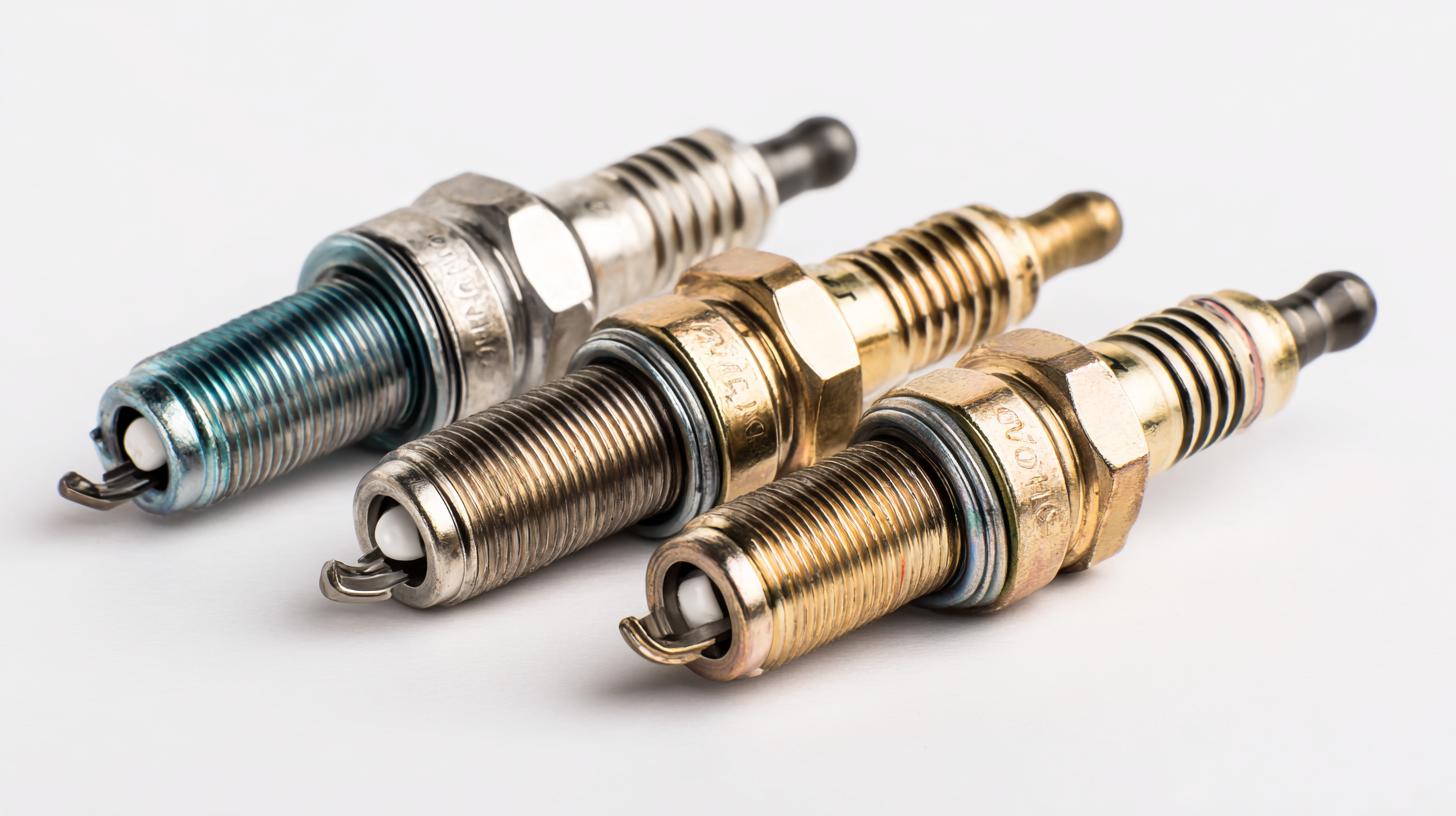
And don’t forget, the style of the electrode and the materials used really matter, too. For example, platinum or iridium tips tend to last longer and give you a steadier spark — which means better ignition and more reliable starts. Plus, setting the right gap size is super important because it impacts how much voltage you need to create that spark. The right gap makes the spark stronger, helping fuel burn more completely, which boosts your machine’s performance and even trims down emissions. If you pay attention to all these little details, you'll pick the perfect spark plugs for your specific industrial setup, keeping everything running smoothly and efficiently.
Material Composition of Spark Plugs: Finding the Best Fit for Your Application
When you're picking out industrial spark plugs, it's pretty important to know what they're made of if you want your machinery to run smoothly. Spark plugs come in a few different materials like copper, nickel, platinum, and iridium — each brings its own set of pros and cons. For example, copper spark plugs are great because they transmit heat and electricity really well, so they're often the go-to for older equipment that needs reliable ignition. But heads up — they don’t last as long as some other types and wear out faster.
On the flip side, platinum and iridium plugs are built to last longer and perform better. You’ll see platinum ones are more resistant to rust and corrosion — sometimes lasting twice as long as copper ones. Iridium plugs are next level, offering even better conductivity and handling higher temperatures, which makes them perfect for high-performance engines or newer, more demanding setups. When you’re choosing the right spark plug, just keep in mind what your machine needs — like its working temperature and the kind of fuel it uses — so you can pick the material that’ll give you the best mix of durability and performance.
How to Choose the Right Industrial Spark Plugs for Your Machinery - Material Composition of Spark Plugs: Finding the Best Fit for Your Application
| Spark Plug Type | Material Composition | Temperature Rating (°C) | Application Suitability | Life Expectancy (Hours) |
| Copper Core | Copper Center Electrode | 450 | General Purpose Engines | 300 |
| Iridium | Iridium Center Electrode | 800 | High-Performance Engines | 600 |
| Platinum | Platinum Center Electrode | 650 | Standard to High-Load Engines | 400 |
| Double Platinum | Platinum on both Electrodes | 650 | High-Performance and Turbocharged Engines | 500 |
| Ceramic | Ceramic Insulator with Metal Electrodes | 1100 | High-Temperature Applications | 800 |
Evaluating Spark Plug Maintenance and Replacement Intervals for Efficiency
When you're working with machinery, there's one component that's often overlooked but super important—the spark plug. Knowing when to check and replace it is key to keeping everything running smoothly and making sure your equipment lasts longer. Just a quick peek now and then can reveal things like carbon buildup or worn-out electrodes, which can mess with how well the ignition works. Setting up a regular maintenance routine helps catch these issues early on—so you're not caught off guard by bigger, more costly problems down the line.
Now, how often you should swap out your spark plugs really depends on a few things—like what kind of machinery you're using, the conditions it operates in, and the spark plug's design. It's a good idea to check the manufacturer's guidelines and some industry tips to figure out the best replacement schedule. For instance, heavy-duty machines might need spark plugs replaced more often, while lighter use could mean longer intervals. Staying on top of this not only minimizes downtime but also boosts the overall efficiency of your equipment. Doing regular checks helps ensure your spark plugs are doing their job properly, which in turn keeps your whole system running smoothly and reliably.
Industrial Spark Plug Maintenance and Replacement Intervals
Understanding the maintenance and replacement intervals of industrial spark plugs can significantly impact the efficiency of machinery operations. The graph below represents the average maintenance intervals (in hours) for different types of industrial spark plugs.
The Impact of Spark Plug Specifications on Fuel Efficiency and Emissions
When you're picking out industrial spark plugs, it’s pretty important to get a good handle on how their specs can actually affect your fuel economy and emissions. I came across a study from the Engine Manufacturers Association that says if you choose the right spark plug, you could see up to a 15% boost in fuel efficiency. That’s mainly because good spark plugs that have the right heat range and fire reliably help prevent misfires and incomplete combustion — two things that waste fuel big time. For example, high-performance plugs with platinum or iridium electrodes are built to stay effective even under tough conditions, which means a cleaner burn and less fuel used overall.
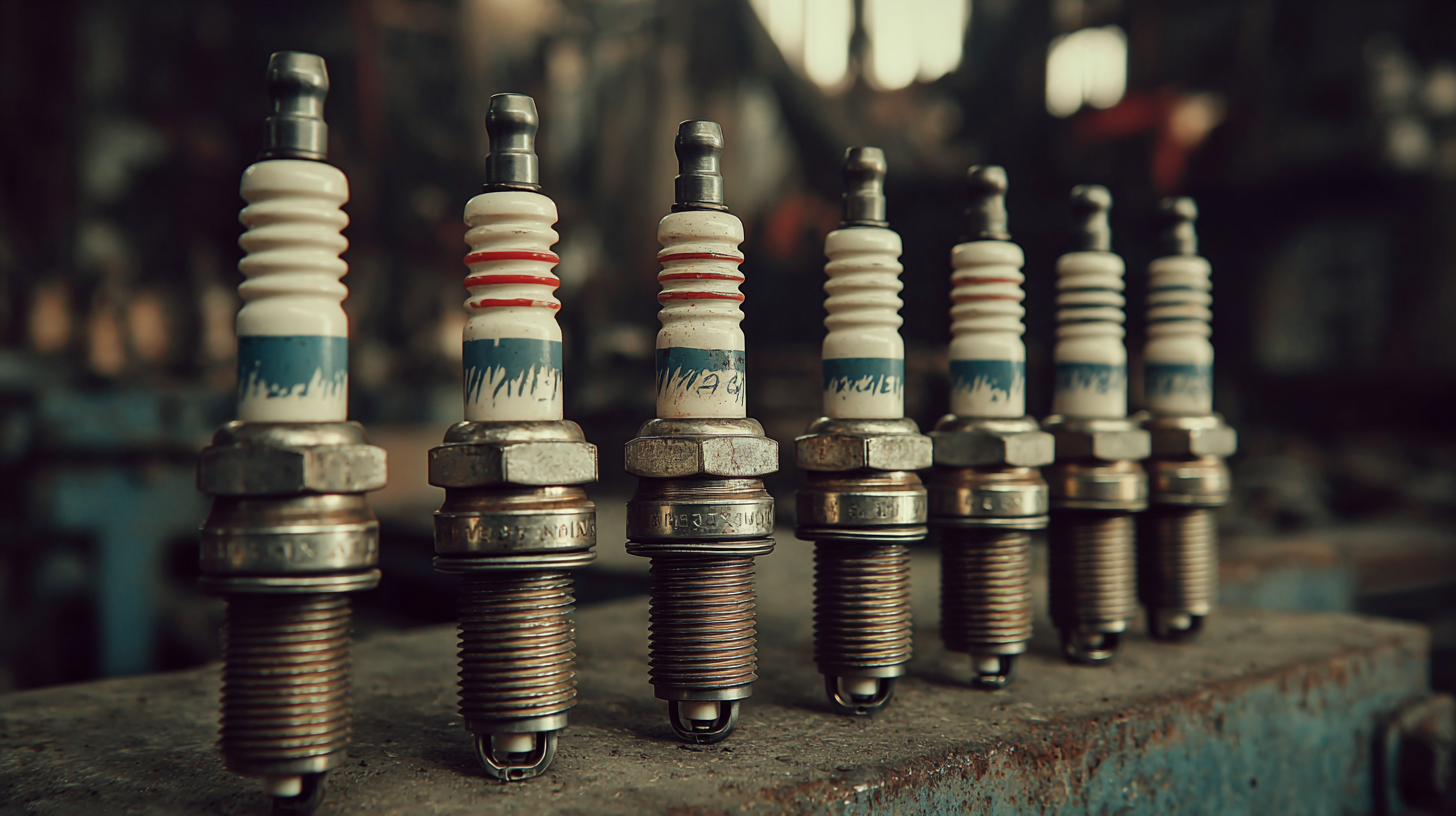
On top of that, how a spark plug is designed really matters when it comes to emissions. There’s some research published in the Journal of Emission Control that shows swapping out standard spark plugs for ones with fine wire electrodes can cut hydrocarbon emissions by about 30%. The reason? Better ignition and a more complete burn. In today’s world, where rules and regs around pollution are getting tighter all the time, investing in quality spark plugs isn’t just about performance — it’s also about staying compliant and doing your part for the environment. So, in a way, picking the right spark plug can give you a two-for-one deal: it boosts your machine’s performance and helps cut down your environmental footprint.
Evaluating the Impact of Industrial Spark Plugs: Data-Driven Insights on Champion RTL85G 556 Alternatives for Engine Efficiency
When it comes to enhancing engine efficiency, the choice of spark plug can have a significant impact. The Champion RTL85G 556 spark plug is a popular option among industrial applications, known for its reliability and performance. However, as industries evolve, so do the opportunities for improvement. We will explore data-driven insights into alternatives that can effectively replace the Champion RTL85G 556, ensuring compatibility with various engines while maximizing efficiency.
One noteworthy contender is the industrial spark plug designed to meet or exceed the specifications of the Champion RTL85G 556. These alternatives are engineered to deliver superior performance, offering enhanced ignition reliability and optimized fuel efficiency across a range of engine types. The benefits of switching to these advanced spark plugs include better cold starts, reduced emissions, and prolonged engine life. With rigorous testing and data analysis backing their effectiveness, these spark plugs are an excellent option for industries looking to improve operational efficiency.
In addition to performance improvements, Alternative Spark Plugs often feature advanced materials and designs that can withstand extreme operating conditions. This durability reduces the frequency of replacements, lowering maintenance costs in the long run. By embracing these data-driven insights on spark plug alternatives, industries can not only ensure their engines run more efficiently but also contribute to a more sustainable operational model.
FAQS
: Industrial spark plugs are crucial for enhancing engine performance and efficiency, potentially improving performance by up to 10%, leading to better fuel combustion, reduced emissions, and prolonged engine life.
Using spark plugs with the appropriate heat range can prevent pre-ignition and misfiring, resulting in a 15% increase in overall operational reliability.
Industrial spark plugs are typically made from copper, nickel, platinum, and iridium, each with unique properties affecting durability, conductivity, and resistance to fouling.
Key considerations include understanding the specific requirements of the engine, the operating environment, the heat range, and the manufacturer's recommendations.
The heat range of a spark plug must match the engine's operational needs; a plug that is too hot can cause pre-ignition, while one that is too cold may foul.
Copper spark plugs provide excellent conductivity but wear out quickly, while platinum and iridium plugs offer greater longevity and resistance to corrosion, making them suitable for high-performance engines.
Platinum spark plugs last up to two times longer than copper plugs, and iridium plugs offer superior conductivity and higher melting points, ideal for high-efficiency engines.
Regular maintenance checks can help identify when spark plugs need replacement, ensuring machinery runs efficiently and effectively.
Using plugs designed for the specific fuel type can significantly improve energy efficiency and reduce maintenance costs.
Choosing the appropriate spark plug for the machinery can result in reduced maintenance costs due to improved energy efficiency and performance.
Conclusion
When it comes to industrial machinery, spark plugs might not be the first thing on your mind, but trust me, they're pretty dang important for keeping everything running smoothly. If you’re an operator or just into machinery, understanding how these little components work can really make a difference. Picking the right spark plug isn’t just about grabbing whatever’s available; you want to think about things like heat range, performance traits, and what materials they’re made of — making sure they match up with your specific setup. And hey, don’t forget—regular maintenance and timely replacements are the secret sauce to keeping your equipment efficient and making it last longer.
At TECHIE Inc., we’re all about ignition systems for stationary gas engines. We offer a wide variety of spark plugs suitable for different models, like GE Jenbacher, MWM, and CAT. Our main focus is on the specs of these spark plugs because we really want to help improve fuel efficiency and cut down on emissions. So, whether you’re running a big operation or just need reliable parts, we’re here to provide high-quality solutions tailored to your needs.