
Leave Your Message
Ignition systems are considered highly critical components of gas engines in terms of performance and efficiency in operation. A spark plug is a key component of this intricate system that initiates ignition of the air-fuel mixture within the combustion chamber. This underlines the elements in spark plug wear that are significant for the maintenance of optimal engine performance, as there would exist cases of more severe engine damage, reduced fuel efficiency, and increased emissions where maintenance is improper. Since reports in the industry recently indicate that engine failures of up to 30 percent can be attributed to failures in spark plugs, it would appear wise to monitor these concerns.
At TECHIE Inc., although we are a leading manufacturer specializing in ignition systems for stationary gas engines, we also realize the importance of extreme awareness of spark plug wear for service life and performance. Our full range of ignition solutions is tailored to the specific needs of the consumers; with over 95 percent coverage for famous brands of gas engines, among them GE Jenbacher, MWM, and CAT. By providing one-stop service for gas engine spare parts, TECHIE allows operators to maintain and replace these components with the utmost efficiency--indeed, an avenue for enriching engine reliability and performance.

The wear patterns of spark plugs speak volumes regarding the engine performance. The spark plugs need to assist in igniting a fuel-air mixture within a combustion chamber. Many factors influence their wearing to cause engine problems if not monitored. Spark plug wears mainly because of the fuel type being used for his engine. High-performance fuels result in better combustion and efficiency but also increase spark plug deposits. While on the other hand, poor-quality fuel causes carbon deposits causing deterioration in engine performance and fuel efficiency. It is advisable to visit the mechanic for checking and changing spark plugs based on fuel quality because this means smooth running and less wear of spark plugs. The way in which spark plugs age also depends considerably on the temperature at which the engine is run. The burning electrodes and inefficiency in ignition are owing to a high temperature. It can be associated with some types of inaccurate air-fuel mixtures that contribute to overheating. Drivers should ensure that their engines are adequately tuned. When the engine operates under balanced temperatures, this would favor the long life of spark plugs and contribute further improvements in the health of the engine. Good understanding of these factors will keep the owners a step ahead in optimizing engine performance.
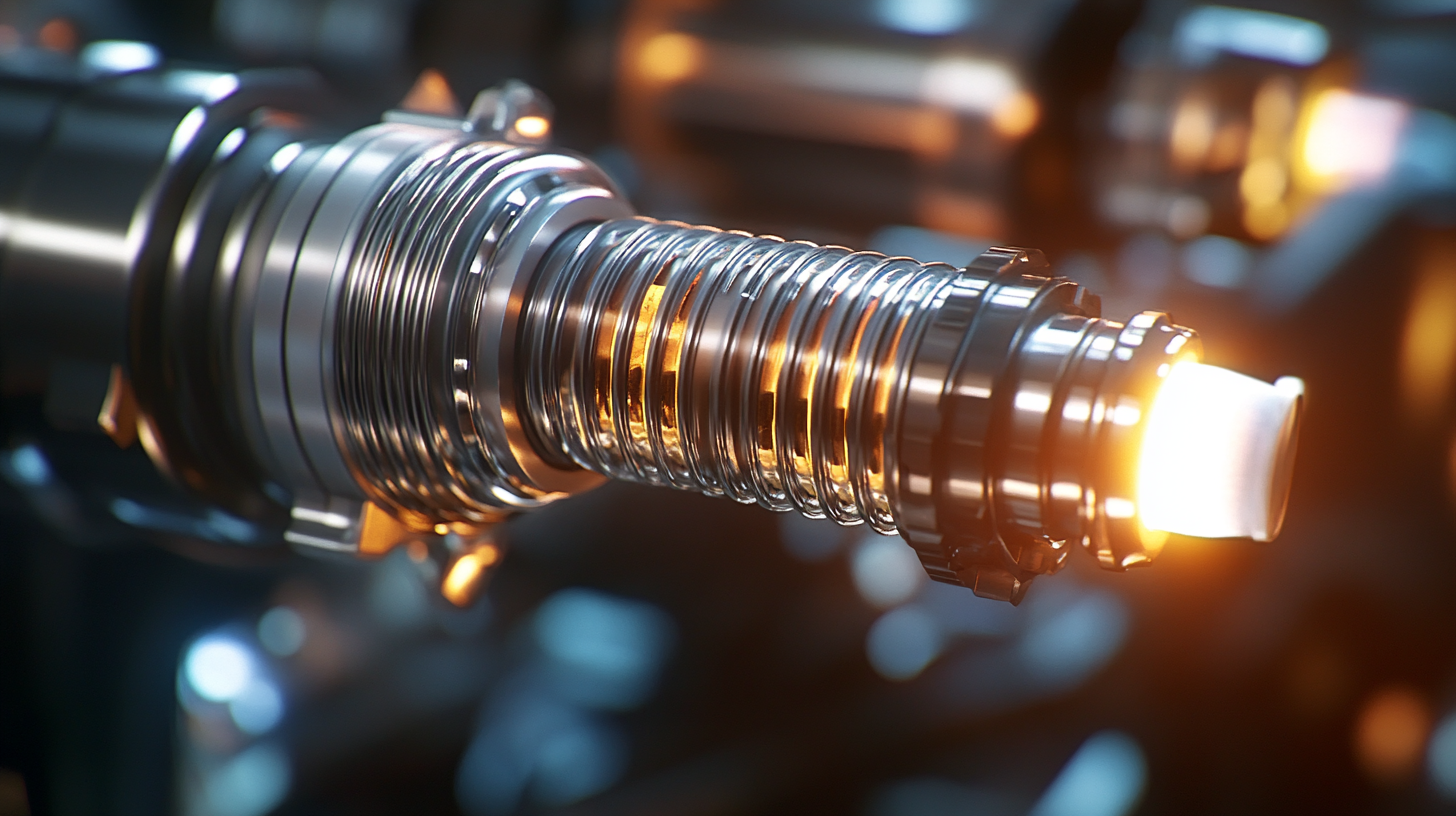
At top speed in maintaining perfect engine performance, learning great wear patterns in spark plugs becomes indispensable. The facts are even though sparks cannot ignite the air-fuel mixture for application, the result would be either a mechanical issue or incomplete combustion in the engine. Common wear patterns would present themselves in forms of carbon depositions, excessive wear, or burnt electrodes. Each will give its own telltale sign of what the particular problem affecting engine performance could be, such as fuel mixture related, ignition timing, or general performance of the engine.
For example, for symptoms like unstable idle and black smoke at acceleration, the spark plugs should be checked. Generally, incomplete combustion results in carbon deposits on the plugs, which will gradually reduce the engine's performance. Such symptoms, captured in time, could save the vehicle from major costly breakdowns and would save on fuel use. They are the strong grounds for interpreting such normal wear patterns because it helps make decisions about what maintenance or repair is needed by the drivers.
Regular inspections of spark plugs would not only indicate impending problems but also significantly improve the engine's operation. Knowing some of the common spark plug wear patterns and causes would allow the drivers to take preemptive measures to ensure the engine runs smoothly, efficiently, and to lower emissions during its life. Eventually, this level of awareness would pay off time- and money-wise and turn a better vehicle reliability over time.
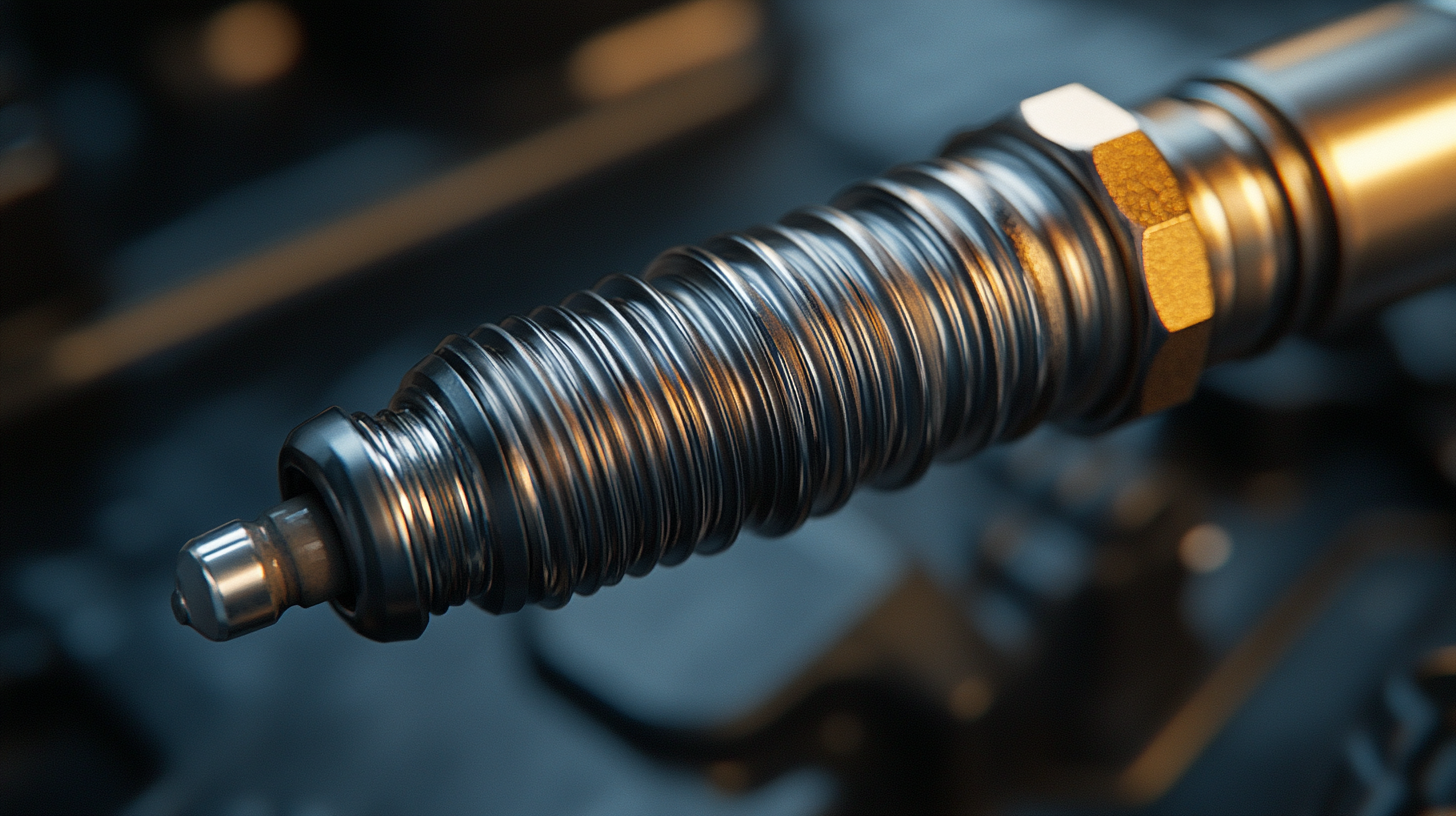
Operating conditions of the engine where a spark plug is used greatly determine the efficacy of the plug. The wear pattern on the spark plug is changed significantly due to temperature, engine load, and the quality of fuel, among other factors. For example, spark plugs in engines that mostly operate at high RPM burns extremely hot and therefore wear rapidly due to increased heat; electrodes are eroded faster compared to plugs in more leisurely engines, thus reducing service life and engine performance.
By the type of fuel added to the engine, the spark plug may be influenced again as to how long it will last. Those fuels that contain more impurities or those that do not fully burn would leave deposits on the spark plug and prevent the spark plug from providing a strong spark in ignition. Such build-up means misfiring, poor fuel economy, and additional strain on the ignition system. On the contrary, the use of high-quality fuels capable of burning cleaner will hold better a spark plug for a longer time.
Finally, tuning and maintenance of engines are key to the amount of time a spark plug will last. Tune engines poorly and they could run either rich or lean, both of which would tend to provide less-than-ideal conditions for good spark plug function. The inspections and replacements would be conducted regularly but ought to be within the predetermined specific operational conditions of the engine, thus achieving peak performance by the spark plugs that excellent overall engine efficiency and longevity benefit. The owners would thus be in an informed position about their vehicles in making decisions that breathe new life into their engines' performance but prolong spark plugs at the same time.
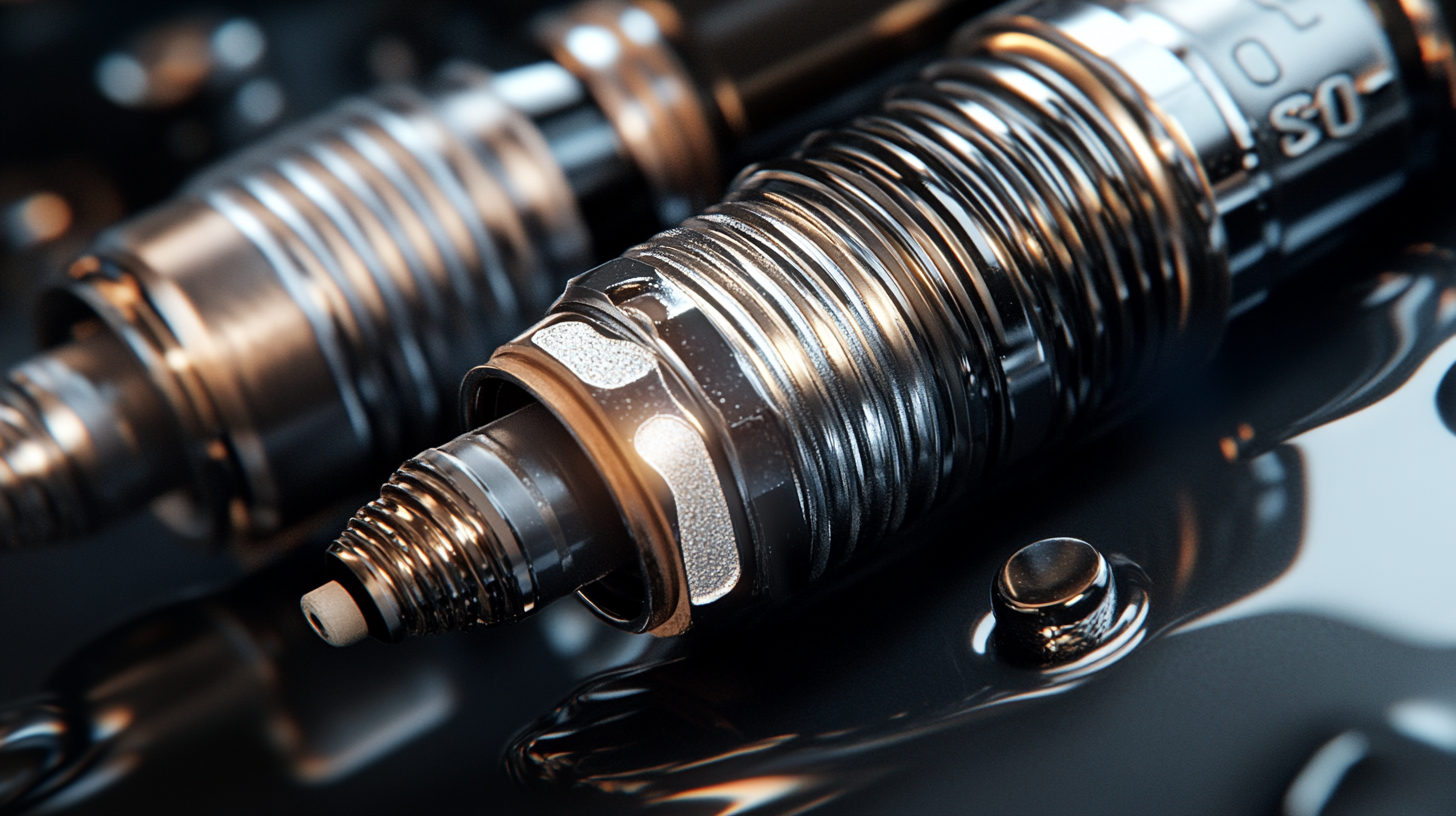
When it comes to the performance and longevity of spark plugs, fuel quality stands out as a major factor due to its significant impact on the overall efficiency of the engine. High-quality fuels, with lower impurities and consistent octane ratings, are known to foster the most conducive combustion conditions, so that perfectly cleaned combustion may best safeguard the spark plugs from carbon layering; thereby making them trigger the air-fuel modules optimally. In contrast, use of less quality fuels somehow means that the combustion might be incomplete and might, therefore, leave undesired deposits or gummed surfaces that will not allow the proper operation of the spark plugs and will hardly ever wear out fast.
In addition to combustion efficiency, fuel's chemical composition also influences the lifespan of spark plugs. Detergents present in fuel may assist in keeping the combustion chamber clean, and as a result, the spark plugs are not only protected from high fouling rates that will otherwise cause misfiring, rough idling, and poor engine performance. It is feasible to maintain better spark plugs continued life by periodically watching and picking up fuel of higher quality, which bring about reduction in the cost of maintenance while encouraging the reliability of the entire engine.
These chains of fuel quality in relation to spark plugs and hence the development of spark plug wear patterns are actually proven when using this kind of diagnostic indicator for determining engine weaknesses. Mechanics often use the appearance of a spark plug to determine the quality of the fuel and the exact nature of the engine problems. Severe wear and unusual deposits on the spark plugs may indicate that type of fuels could potentially hinder the performance of an engine. prefer reasonably higher fuel quality while yield highly superior performance and even more prolonged span of various crucial engine constituents, such as spark plugs.
They are components of an internal combustion engine, and their condition is a crucial factor in engine performance and efficiency. One must recognize the signs of spark plug damage for optimal engine operation. According to a study by the Society of Automotive Engineers, most car performance problems are associated with worn or damaged spark plugs. Most commonly, spark plugs need to be inspected and replaced in a manner that varies from seventy to 30,000-100,000 miles, dependent on the type of spark plug and its quality.
Fouling is probably the most common sign of wear on Spark Plug Electrodes, and it results when oil, fuel, or carbon deposits cover the surfaces on which the spark should jump. Dirty or fouled plugs will tend to misfire, and suffer poor fuel efficiency, as well as increased emission, according to a report published in the International Journal of Engine Research. Also, you may want to check if your spark plugs need replacement if you observe reduced acceleration or engine power, as poor performance in ignition may be due to wearing electrodes.
Physical damage: if electrodes are worn or eroded, that is another indication of damage. It is critical to look for abnormal wear patterns that indicate blistering or melting of the metal, signifying that extreme operating conditions or overheating are present. The survey carried out by the Automotive Aftermarket Industry Association indicated that timely replacement of spark plugs could increase fuel economy by 1-2%, thus underscoring the need for proper maintenance. By watching these signs and learning about wear patterns, drivers can vastly improve the performance of their cars and even their longevity.
Keeping spark plugs in degree of repair is primarily an aspect for maximum engine performance, as they spark ignition and respond quickly to engine performance. Regular maintenance may avert misfires and a reduction in fuel economy along with increased emissions, all of which endanger the quality of the engine. Society of Automotive Engineers statistics state that from about 70% of engine problems, 70% are ignition system failures that reiterate the importance of Spark Plug Maintenance.
Cold start vibration complaints in a car like this modern ix35 can relate to the condition of the spark plugs. When cold in winter, a sparking plug that gives trouble may lead to poor combustion and then serious shuddering. Normal periods followed by inspection and replacement as prescribed by the manufacturer (usually 30,000 to 100,000 miles) should go a long way to bring better ignition performance and arrest cold-start difficulties.
On a best maintenance practice for spark plugs, it would involve frequent inspection for wear type patterns that can give ideas into performance by engine activity under many combinations, such as cases in which a plug may drivel, seeing it fouled or worn. As such, technicians would usually recommend a thorough inspection every oil change to detect any potential problem in due time. In addition, proper spark plug type and correct gap setting always provide better combustion and fuel economy. Maintenance for proper spark plug gives not only health for the engine but the comfort and reliability of the drive as well.
The choice of spark plug according to the needs of the vehicle becomes paramount in ensuring actual performance and durability of the engine. It is estimated by the Specialty Equipment Market Association (SEMA) that choosing the correct spark plug can improve fuel consumption by 10%. This becoming so much more vital with increasing fuel costs and the desire for an environmentally conscious mode of driving.
Different engines use different types of spark plugs. Platinum or iridium spark plugs are particularly beneficial in high-performance automobiles due to their superior conductivity, resistance to fouling, and long life compared to standard copper plugs. Research from the Engine Research Center suggests iridium spark plugs could last up to 100,000 miles. This exceptional lifetime cuts down the replacement frequency and saves money on maintenance.
Also, the heat range of a spark plug also has to be compatible with the engine specifications. The application of plugs with incorrect heat ranges may cause pre-ignition problems or fouling. According to a study by the American Society of Automotive Engineers (SAE), faulty heat management in spark plugs can lead to a loss of engine efficiency of around 15%. Therefore, choosing a spark plug not only contributes towards the full performance of the engine but also gives great reliability to the entire vehicle.
Spark plugs essentially ignite whatever mixture of fuel and air enters into the engine, so they play a vital part in engine efficiency and performance. Observing the wear patterns of spark plugs gives further indications as far as the engine healthiness and performance are concerned. The governing factor for spark plug life and performance is the high combustion temperature that is generated inside the engine, which may climb anywhere between 1,100°C to 1,400°C. This temperature is due to the very combustion that the spark plug has started; it will be paramount to keep an ever-watchful eye.
Uneven or rapid wear of spark plugs will lead to fuel mix combustion that is somehow less than complete. This spells disastrous results for fuel economy and emissions, not to mention that maximizing performance will give the engine a certain struggle. Everybody in the field knows how the spark plug ones need to be checked regularly so that they can be one of the first places to look for trouble; preventative maintenance on it apparently will help all-around engine efficiency. Any signs of a faulty spark plug, like misfires or trouble starting, mean combustion is not happening as effectively as it should.
Moreover, understanding how the condition of spark plugs relates to engine performance and efficiency will help drivers know when to set up the service schedule. By applying the manufacturers-recommended service intervals and preemptively replacing worn plugs, vehicle owners can help ensure their engines are always operating as efficiently as possible while also minimizing the risk of excessive repair bills.
Fuel quality is crucial because high-quality fuels minimize impurities and provide consistent octane ratings, resulting in optimal combustion conditions that reduce carbon buildup on spark plugs.
Lower quality fuels can lead to incomplete combustion, causing deposits that hinder spark plug performance and result in premature wear and engine issues.
Fuels with higher levels of detergents and additives keep the combustion chamber cleaner, enhancing the longevity of spark plugs.
Excessive wear or unusual deposits on spark plugs can signal problems with fuel type and can adversely affect overall engine efficiency.
Choosing the correct spark plug can improve fuel efficiency by up to 10%, which is increasingly important due to rising fuel costs.
High-performance vehicles benefit from platinum or iridium spark plugs, which provide better conductivity and last longer than standard copper plugs.
Using plugs with the incorrect heat range can lead to pre-ignition problems or fouling, potentially decreasing engine efficiency by about 15%.
Iridium spark plugs can last up to 100,000 miles, significantly reducing the frequency of replacements and maintenance costs.
Mechanics often analyze spark plug conditions to assess fuel quality and identify engine performance issues.
Regularly monitoring and choosing high-quality fuel can help maintain optimal spark plug conditions and improve overall engine reliability.