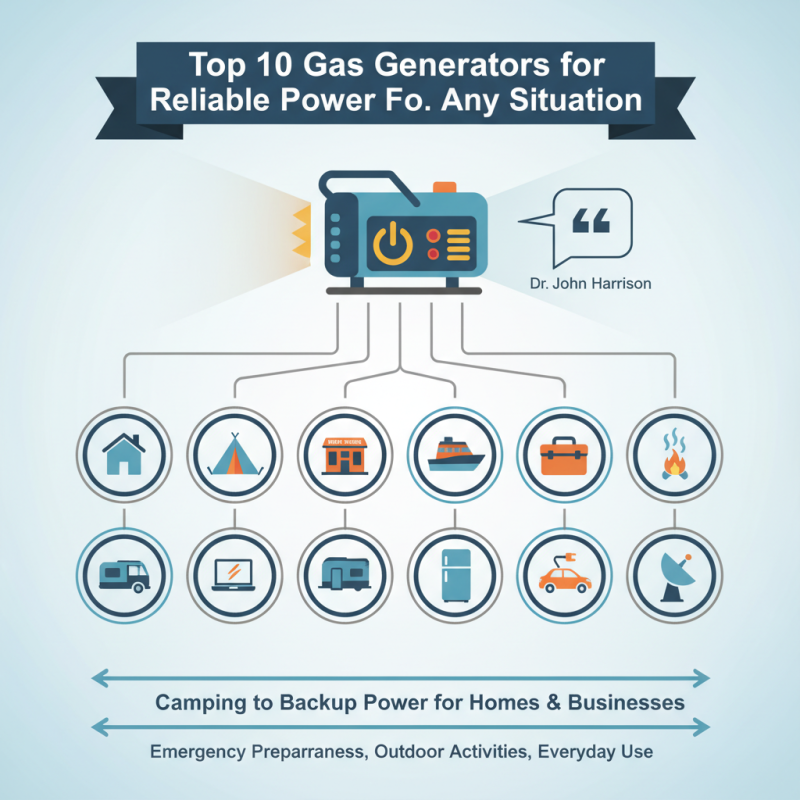
In today’s fast-changing world, having a dependable power source isn’t just a luxury — it’s pretty much a necessity, especially when stuff hits the fan unexpectedly. That’s where gas generators come into play; they’ve really become a go-to for both folks at home and businesses alike. Like Dr. John Harrison, a well-respected energy expert, points out, "Gas generators aren’t just convenient — they offer peace of mind when the power goes out or during emergencies." These things are incredibly versatile too — whether you’re out camping, need backup power for your house, or keeping a business running smoothly, gas generators are built to meet all sorts of energy needs while being reliable and efficient.
In this guide, we’re gonna walk through the Top 10 Gas Generators on the market right now, breaking down what makes each one special and why they stand out in such a competitive space. Our goal? To help you make smarter decisions when choosing a generator that fits your specific needs. Whether you’re prepping for emergencies, going on outdoor adventures, or just want something for everyday use, understanding the ins and outs of gas generators will help you pick the right one for whatever situation pops up.
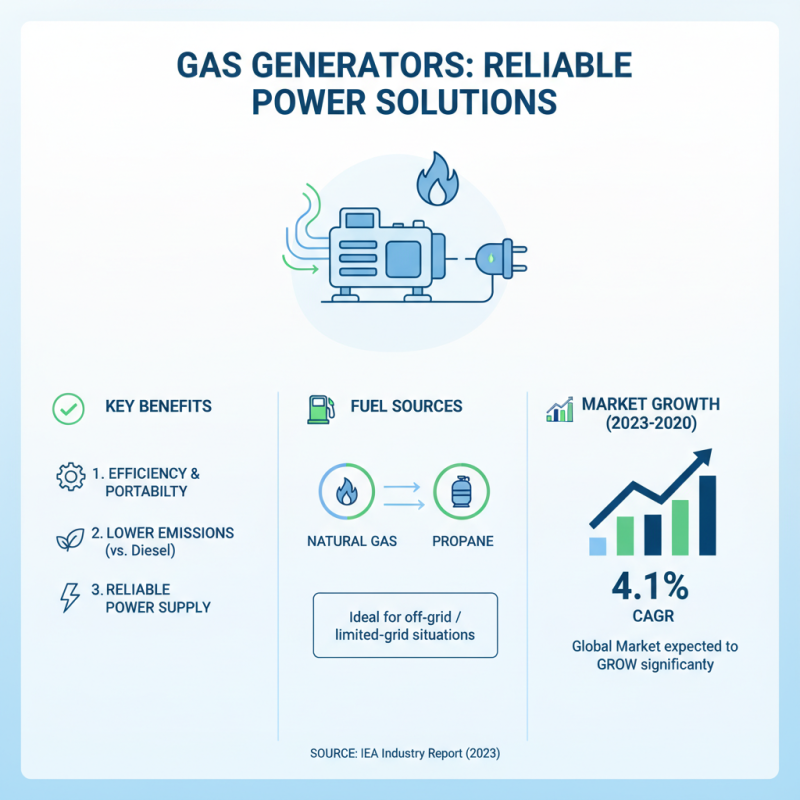
Gas generators are increasingly becoming a cornerstone for reliable power supply, especially in situations where access to the electricity grid is limited or non-existent. These generators utilize natural gas or propane as fuel sources and offer numerous benefits, including efficiency, portability, and lower emissions compared to their diesel counterparts. A recent industry report by the International Energy Agency (IEA) indicates that the global market for gas generators is expected to grow significantly, projecting a compound annual growth rate (CAGR) of approximately 4.1% through 2030. This growth is driven by rising demand for emergency power supply solutions in both residential and commercial sectors.
The versatility of gas generators enables them to serve various applications, from providing temporary power during outages to supporting construction sites where electricity supply may be intermittent. In the agricultural sector, gas generators are leveraged to power irrigation systems and lighting, ensuring consistent operation during critical periods. According to a market research report by Mordor Intelligence, the increasing frequency of extreme weather events attributed to climate change has further escalated the reliance on gas generators, with approximately 30% of users citing backup power solutions as essential for business continuity. These statistics underscore the vital role gas generators play in enhancing energy security across various industries.
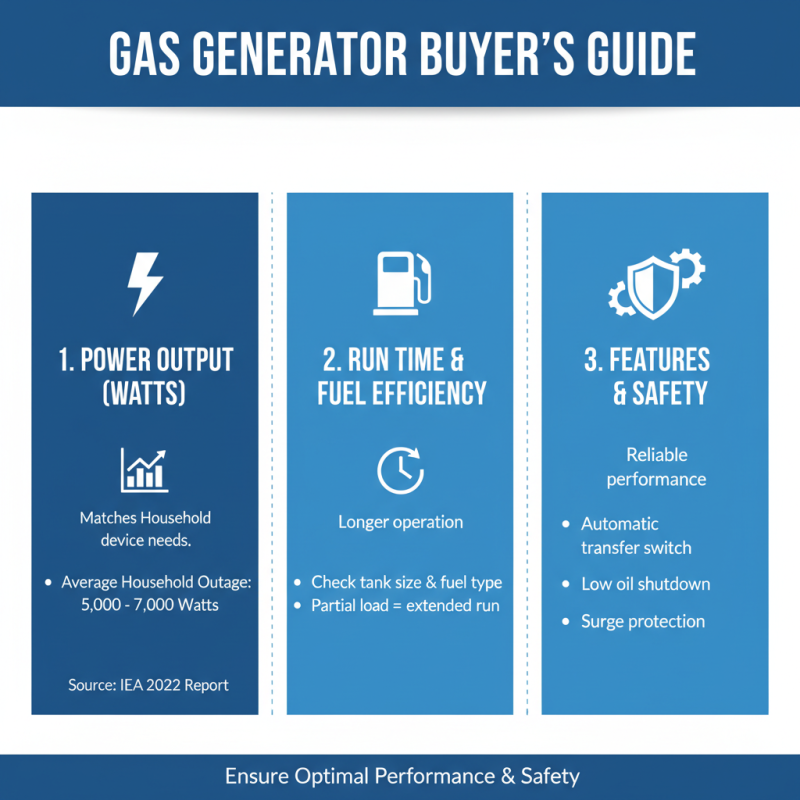
When selecting a reliable gas generator, several criteria should be meticulously evaluated to ensure optimal performance in diverse situations. One critical factor is the generator’s power output, which is typically measured in watts. It is essential to choose a generator that can handle the cumulative power requirements of all connected devices. According to a 2022 report by the International Energy Agency, the average household power requirement during an outage can be around 5,000 to 7,000 watts, highlighting the need for generators that can meet such demands.
Another significant criterion is fuel efficiency. Generators that offer extended run times on a single tank of gas not only save money but also provide peace of mind during extended outages. Research from the Electricity Generating Systems Association indicates that fuel-efficient models can reduce operational costs by up to 30%, making them a practical choice for both residential and commercial uses. Additionally, the build quality and reliability of the generator should be assessed, focusing on aspects such as engine type and materials used in construction, which can significantly impact longevity and maintenance needs. The choice of a well-designed generator can reduce downtime and repair costs, ensuring a dependable power supply when it is most needed.
When it comes to ensuring a reliable power supply in various situations, gas generators stand out due to their efficiency and versatility. The ideal gas generator combines robust performance with user-friendly features, making it suitable for everything from home backup during outages to outdoor activities like camping or tailgating. Many of the top models offer dual-fuel capabilities, allowing you to switch between gas and propane, which significantly enhances their usability and ensures you can always find a suitable fuel source.
In terms of features, the best gas generators often come equipped with electric start options, making them easy to operate even in emergency situations. Additionally, noise reduction technologies are frequently incorporated, providing a quieter experience which is essential for residential areas or during nighttime use. Various models also include digital displays for monitoring fuel levels and output power, giving users real-time information and peace of mind. Performance-wise, these generators are expected to deliver stable power output, with significant wattage capabilities that cater to a wide range of devices and equipment. Whether for home use or recreational activities, selecting a gas generator that highlights these features ensures reliable performance when you need it most.
When selecting a gas generator, fuel efficiency is a critical factor to consider, particularly for those relying on these machines in various situations. High fuel efficiency not only translates to cost savings but also ensures longer operational periods between refuels. Generators vary in their fuel consumption rates, which can significantly impact the overall usability, especially during emergencies or extended outdoor activities. By understanding the metrics that define fuel efficiency, consumers can make informed choices that align with their specific power needs.
Additionally, comparing fuel types, such as propane and natural gas versus gasoline, can reveal notable differences in efficiency. Propane generators typically offer cleaner burns and a longer shelf life for fuel, while gasoline generators might provide higher output at a lower initial investment. However, advancements in technology have led to more fuel-efficient designs across all generator types, promising reduced operational costs and enhanced convenience. Evaluating these options based on performance and fuel consumption can help users select a generator that provides reliable energy without excessive fuel expenditure, making their investment worthwhile in any situation.
When selecting a gas generator for reliable power supply, safety features should be a top priority. One essential aspect to consider is the presence of an automatic shutoff mechanism. This feature ensures that the generator will turn off if it detects low oil levels or overheating, preventing potential damage to the unit and reducing the risk of fire hazards. Additionally, generators equipped with carbon monoxide (CO) detectors are crucial, as they automatically shut down when harmful gas levels become dangerously high, protecting users from the risks associated with CO poisoning.
Another important safety feature is a circuit breaker, which helps prevent electrical overloads by automatically interrupting the flow of electricity when the system detects excessive current. This not only safeguards the generator itself but also protects any connected devices or appliances. Look for generators with robust, weather-resistant enclosures to enhance durability and safety during outdoor use. Lastly, ergonomic designs that minimize vibration and reduce noise levels can contribute to a safer and more pleasant operating experience, aligning safety with user comfort in any situation.
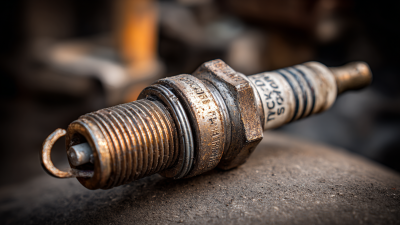
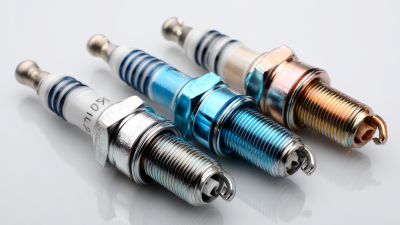
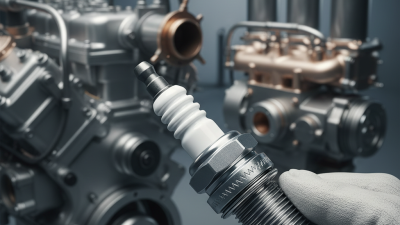
Proper maintenance of gas generators is essential for ensuring their reliability and longevity. According to a report by the U.S. Department of Energy, regular maintenance can extend the lifespan of generators significantly, often exceeding 10,000 operational hours when properly cared for. This is critical, as downtime due to unanticipated failures can lead to substantial losses, particularly for businesses relying on continuous power supply. Basic maintenance routines should include checking and changing the oil every 100 hours of operation, inspecting the air filter, and ensuring that the spark plugs are in good condition.
Another key factor is fuel management. Professionals in the industry recommend using high-quality, clean fuel to prevent clogging and damage to the generator's fuel system. Additionally, gas generators should be run regularly to prevent the build-up of stale fuel, which can lead to performance issues. A study published in the Journal of Power Sources highlights that generators not operated for extended periods can suffer from fuel degradation, resulting in reduced efficiency and potential operational failures. Implementing these maintenance practices not only enhances performance but also ensures that the generator operates at optimal efficiency, ultimately saving money and increasing reliability during critical times.
Gas generators play a pivotal role in providing reliable power supply across various applications, ensuring energy availability in both emergency and routine situations. According to the U.S. Energy Information Administration, around 20% of households in the United States utilize backup generators to safeguard against power outages, which can last from a few hours to several days. These generators are indispensable during natural disasters, such as hurricanes and floods, where the primary power grid may be compromised. Their versatility allows them to power essential appliances, maintain heating or cooling systems, and support critical medical equipment, protecting both life and property.
In commercial sectors, gas generators serve as a crucial backup for businesses that rely on continuous power. A report by Grand View Research indicates that the global gas generator market is projected to reach $16.03 billion by 2025, due to increasing industrial demand for uninterrupted power supply. Industries ranging from telecommunications to healthcare depend on these generators to ensure that operations continue without disruption, safeguarding revenue and maintaining service levels. Additionally, gas generators are increasingly used in remote areas and construction sites where access to the power grid is limited, providing essential energy for tools, lights, and temporary facilities. This adaptability underscores the significant role gas generators play in both emergency and operational scenarios, reinforcing their value in today’s power-dependent world.
| Model | Power Output (W) | Fuel Type | Runtime (Hours) | Weight (lbs) | Ideal Use |
|---|---|---|---|---|---|
| GX-2000 | 2000 | Gasoline | 8 | 50 | Camping |
| AVR-3500 | 3500 | Propane | 10 | 70 | Home Backup |
| PWR-4500 | 4500 | Gasoline | 9 | 75 | Construction |
| GEN-5000 | 5000 | Gasoline | 7 | 100 | Emergency |
| ECO-7000 | 7000 | Propane | 11 | 120 | RV Travel |
| PRO-8000 | 8000 | Gasoline | 6 | 140 | Power Tools |
| XTRA-9000 | 9000 | Propane | 10 | 160 | Events |
| FORCE-10000 | 10000 | Gasoline | 7 | 200 | Construction |
| ULTIMATE-12000 | 12000 | Propane | 9 | 220 | Backup Power |
: Fuel efficiency is critical because it translates to cost savings and ensures longer operational periods between refuels, impacting overall usability during emergencies or extended outdoor activities.
Propane generators typically offer cleaner burns and longer shelf life for fuel, while gasoline generators may deliver higher output at a lower initial investment.
Advancements in technology have led to more fuel-efficient designs across all generator types, promising reduced operational costs and enhanced convenience.
Basic maintenance routines include checking and changing the oil every 100 hours of operation, inspecting the air filter, and ensuring that the spark plugs are in good condition.
Using high-quality, clean fuel prevents clogging and damage to the fuel system, while running generators regularly helps avoid stale fuel build-up, which can lead to performance issues.
Regular maintenance can significantly extend the lifespan of generators, often exceeding 10,000 operational hours when properly cared for, reducing downtime and losses for users.
Generators not operated for extended periods can suffer from fuel degradation, resulting in reduced efficiency and potential operational failures.
Implementing maintenance practices enhances performance and ensures the generator operates at optimal efficiency, ultimately saving money and increasing reliability during critical times.
This article provides a comprehensive overview of gas generators, highlighting their versatility and essential role in ensuring a reliable power supply in various circumstances. Key criteria for selecting a dependable gas generator include performance features, fuel efficiency, and safety mechanisms. The top 10 gas generators are thoroughly reviewed, showcasing their distinctive features and capabilities.
Additionally, the article emphasizes the importance of safety features and maintenance tips for maximizing the longevity of gas generators. It also explores the diverse applications of gas generators across different scenarios, making them an invaluable resource for both residential and commercial power needs. By understanding these critical aspects, users can effectively choose a gas generator that meets their specific requirements, ensuring they remain prepared for any situation.